Bolivia’s cuisine differs drastically between the spicy, heartier dishes found in the Altiplano – the high plains in the south-west – and the lighter, fruitier foods of the tropical lowlands, meaning even adventurous palates are kept on their toes here.
***
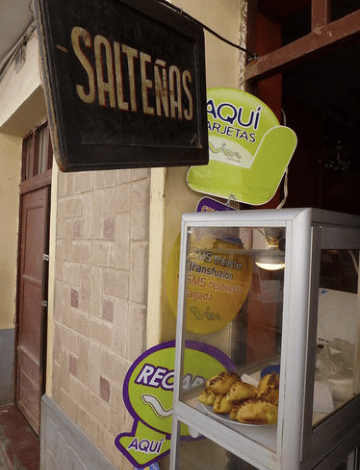
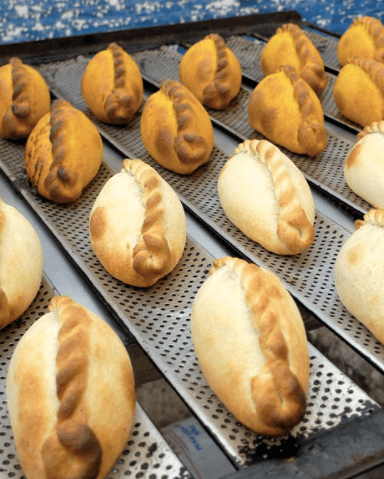
10. Salteña – No matter your budget, a liberal peppering of salteñas is essential. A cousin of the empanada, these little braided, baked pastries are filled with beef, pork or chicken in a sweet, spicy sauce of olives, raisins and potatoes. You’ll see them in restaurants and bakeries, but the most authentic versions should be bought fresh from old Quechua ladies behind a street stalls. The country’s best are rumoured to be found in Sucre, but – for the sake of comparison – best play it safe and buy a couple wherever you see them.
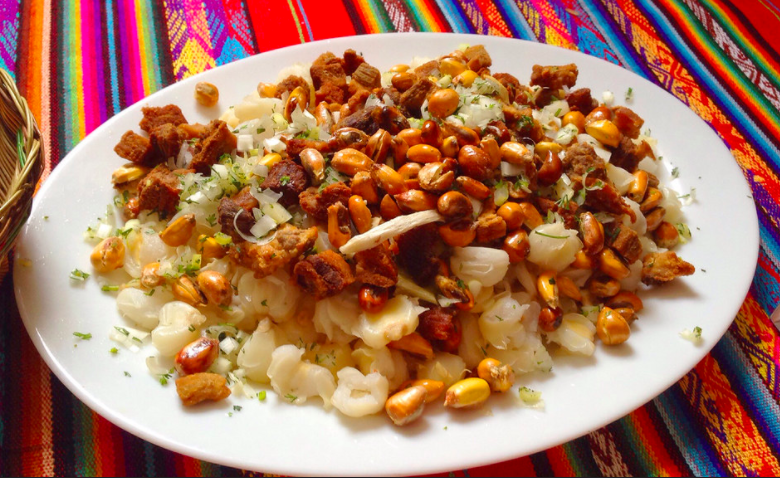
9. Fricasé – One too many beers last night? This thick, spicy soup is a much-relied-upon Bolivian hangover cure that’ll have you raring to go (or at least standing unaided) in no time. If soup and spice ain’t your thing, never fear: with its myriad ingredients (including chunky meat (usually pork or chicken), potatoes, dried corn, onion, garlic and various seasonings), it’s pleasingly substantial and flavourful.
8. Jankaquipa – Although sopa de mani (a meat and vegetable soup thickened with peanuts) might be more well-known in this part of the world, no trip through the Andes would be complete (or, indeed, possible) without lashings of jankaquipa. Warm and comforting, this lagua (thick soup) is made with cream and corn, meaning you’ll stay full for hours: ideal if you’re planning a long day of trekking.
7. Pique macho – This is Bolivian comfort food at its finest: bite-size pieces of beef, thin-cut potatoes, onions, locoto (chilli pepper), boiled egg, mustard, mayonnaise and ketchup, mixed together and piled very high. It’s cheap, filling, and has a wonderful rumoured origin: A group of workers – very drunk and hungry – were demanding food at a restaurant in Cochabamba. The owner was in the process of closing for the night, but when they wouldn’t take no for an answer, she served up the odds and ends left in the kitchen with plenty of spice, and indignantly told them to “piquen si son machos” – eat if you’re man enough.

6. Papas rellenas – These potato croquettes are popular all over Latin America and much of the Caribbean – regions with plenty of splendid options when it comes to food – so if they’re holding their own, you know they’re good. Filled with beef, onions, olives, hard-boiled eggs, cumin and a handful of other spices, the potato dough is baked and then deep fried, giving it a smooth, slightly chewy consistency. In South America, they’re usually served with ají verde, a green salsa, which gives them an added kick.
5. Arroz con queso – The Spanish speakers among you might already be wondering what’s so special about mixing rice and cheese (besides the usual magic of any carb-and-cheese combo, of course), but don’t be fooled by the simplicity of this side dish. Usually served piping hot alongside grilled meat, this bowl of thick, creamy goodness – slightly chewy, and very rich – is the culinary equivalent of a hug. Most recipes call for short-grain rice, crumbly queso fresco and plenty of milk, with a little garlic and salt.
4. Chicharrón de llama – You might be familiar with the pork belly version of this deeply satisfying fried snack, popular right across the Spanish-speaking world (and if you aren’t, we recommend urgently tracking some down) – but it just wouldn’t be Bolivian fare without an Andean twist: in this case, switching out the pork for llama meat. Although it’s far leaner than pork, llama is wonderfully tender and succulent, and really lends itself to frying. Warm up with a steaming pile of these bite-size beauties, or pick up a bag from the market for an ideal wondering snack.
3. Ch’arki – Fans of jerky are in luck – you are (perhaps inadvertently) in its heartland. The native Quechua tribe have been making and selling it since the 1500s, and it is their word for ‘dry, salted meat’, ch’arki, which gives us the snack’s modern moniker. In this part of the world it is (surprise, surprise) most commonly made from llama or alpaca meat, and since it’s rarely artificially sweetened or mass manufactured, confirmed jerky-lovers might find their former-favourite brand falls short once they’ve tasted the naturally salted and sun-dried original.
2. Tawa-tawas – Every culture is proud of its bread (go on, try and think of a single cuisine that doesn’t do great bread), and many have perfected the art of frying it with splendidly varied results – Bolivia’s answer to which is tawa-tawas. The name comes from the Quechua word for four, tawa, as the dough requires four cuts to achieve its rhombus shape, much like a beignet. The result is similar too: deep-friend dough that’s crispy on the outside and fluffy on the inside, lending itself to dessert toppings like powdered sugar and honey. Pick up a bag from a bus-station stall before you embark on your next day-long journey.
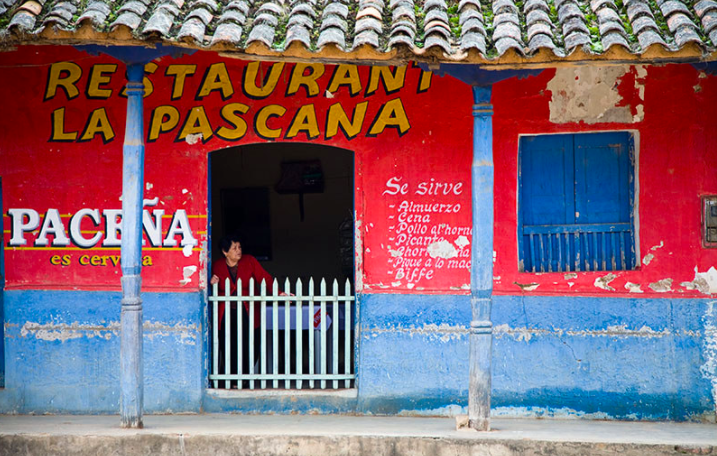
1. Almuerzo – Though the term can be used to mean lunch in a more general sense, you’ll most commonly see it pasted on the menus of small roadside restaurants in reference to a two-course set meal. The first course is a large bowl of soup (usually flavoured with meat and vegetables), and the second a large plate of potatoes, corn, rice and chicken – Bolivia’s staple dish. It might not sound like a flavourfest, but when you’re wolfing it down at a pitstop on a 20-hour bus journey, you’ll be hard pressed to remember a better meal.
 Glug & Chew