Though its reputation precedes it, Dublin – historic, hedonistic and overwhelmingly (perhaps, at first, unnervingly) friendly – is the kind of place that immediately lives up to the hype. The best way to get under the skin of this gritty, glorious city is with a delicious, boozy romp around its centre; and what the hell, let’s throw in a few of its big-ticket attractions too, just for the craic.
***
Breakfast
Those who prefer to start slow – nursing a good cup of coffee and watching the world go by – will find plenty of pretty cafés in Dublin’s cobbled, riverside hub, Temple Bar (we’re looking at you, Metro Cafe), but if you’d prefer to take things seriously (to really make a meal of it, if you will), it’s all about Thundercut Alley.
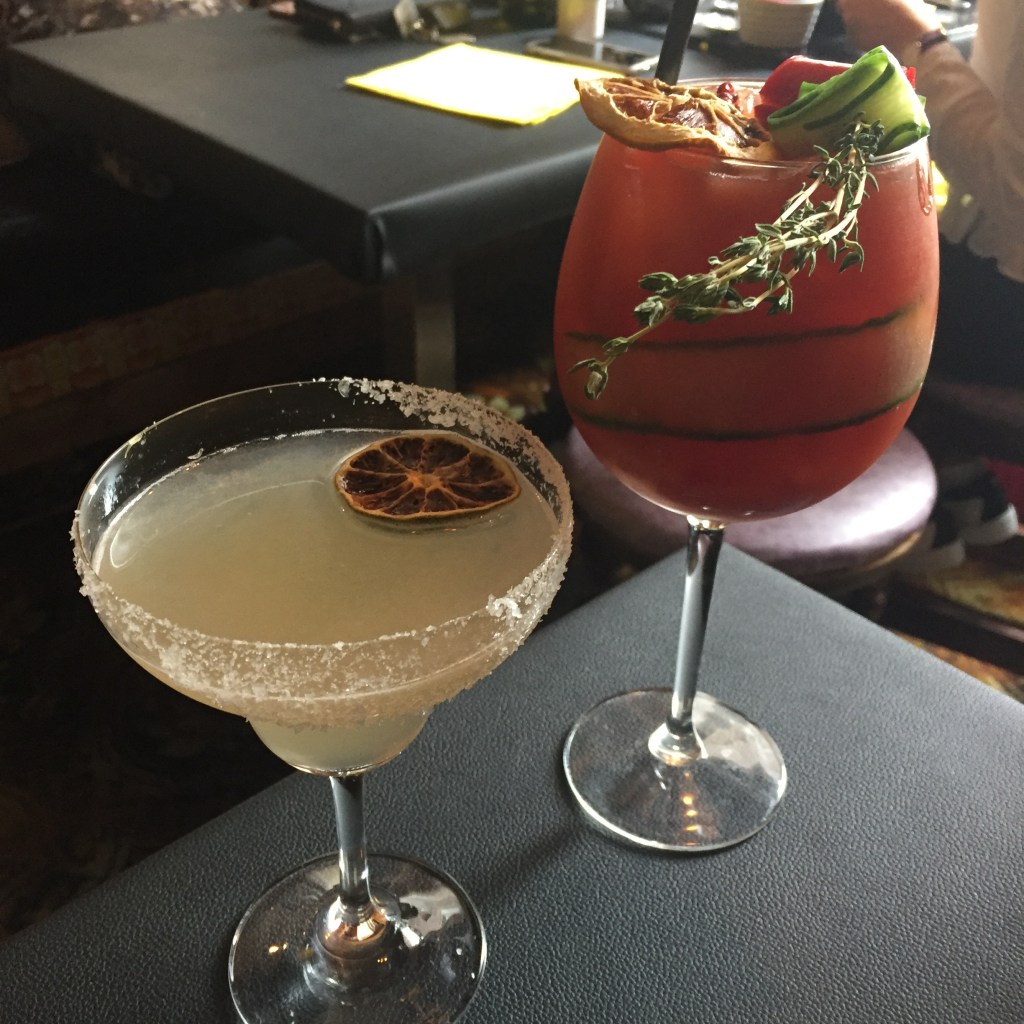
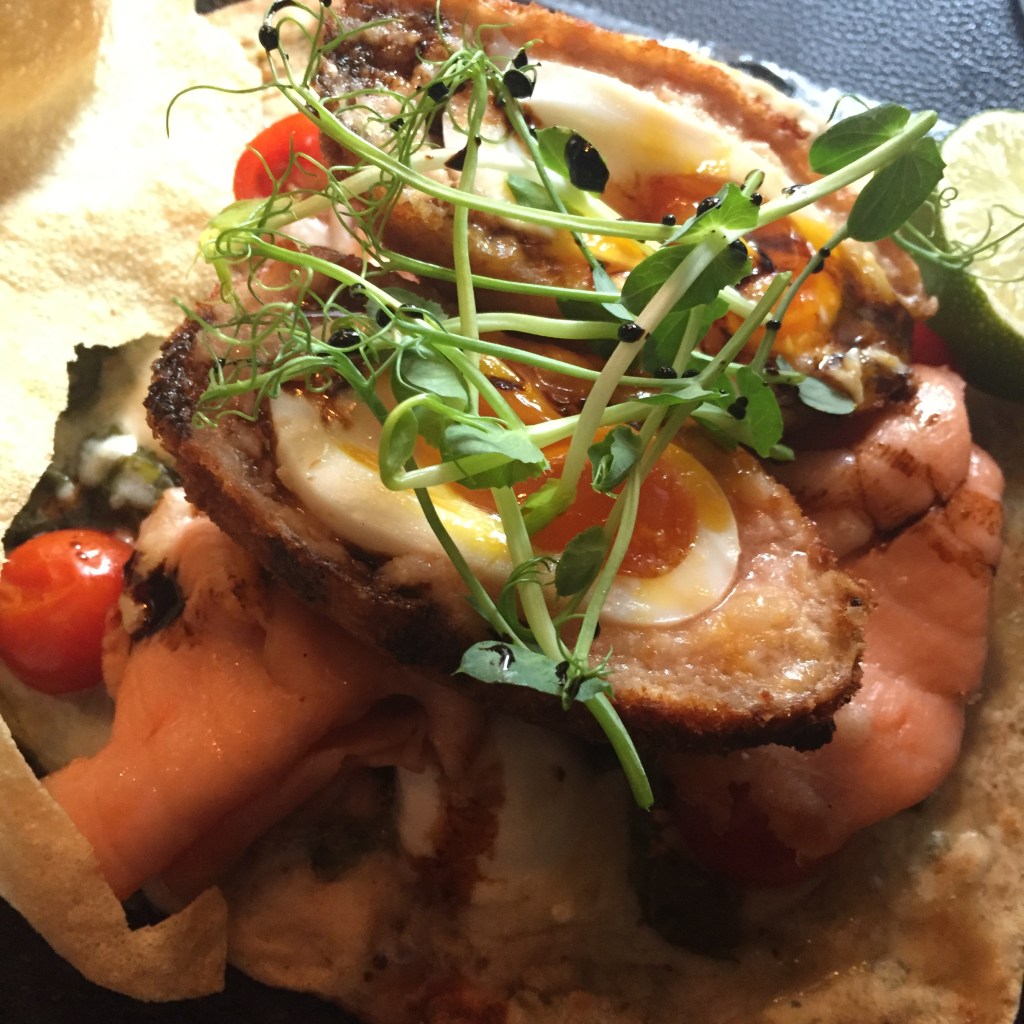
The menu is short, but don’t be fooled: it’s stuffed with delicious big-hitters, so prepare yourself for some tough decision making. We’d opt for brunch tacos (soft, fluffy tortillas filled with scrambled eggs and a choice of classic, spicy or veggie fillings) or one of the breakfast classics with an innovative twist (eggs royale with anchovies; florentine with garlic mozzarella; benedict with smoked cheese and kale mayo – you get the idea), though the pork souvlaki salad and veggie breakfast (oh those crispy chickpeas) are stunners, too. If the seafood flatbread is on the specials board, disregard the above and order it immediately (thick smoked salmon, tomatoes, garlic mozzarella and a scotch egg on top – what’s not to love?), and whether it’s 9am or 1pm, add a margarita or (and?) a bloody mary to the mix (particularly if you had one too many whiskies last night).
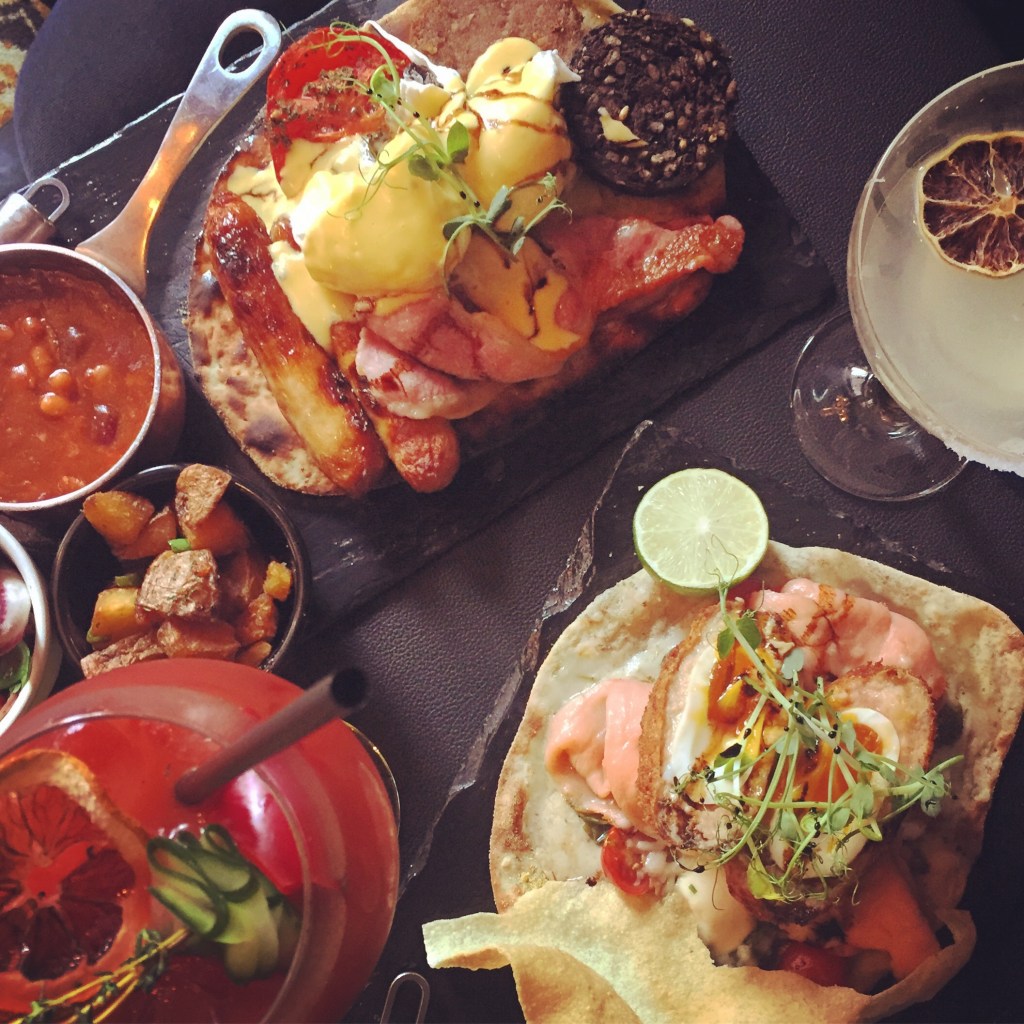
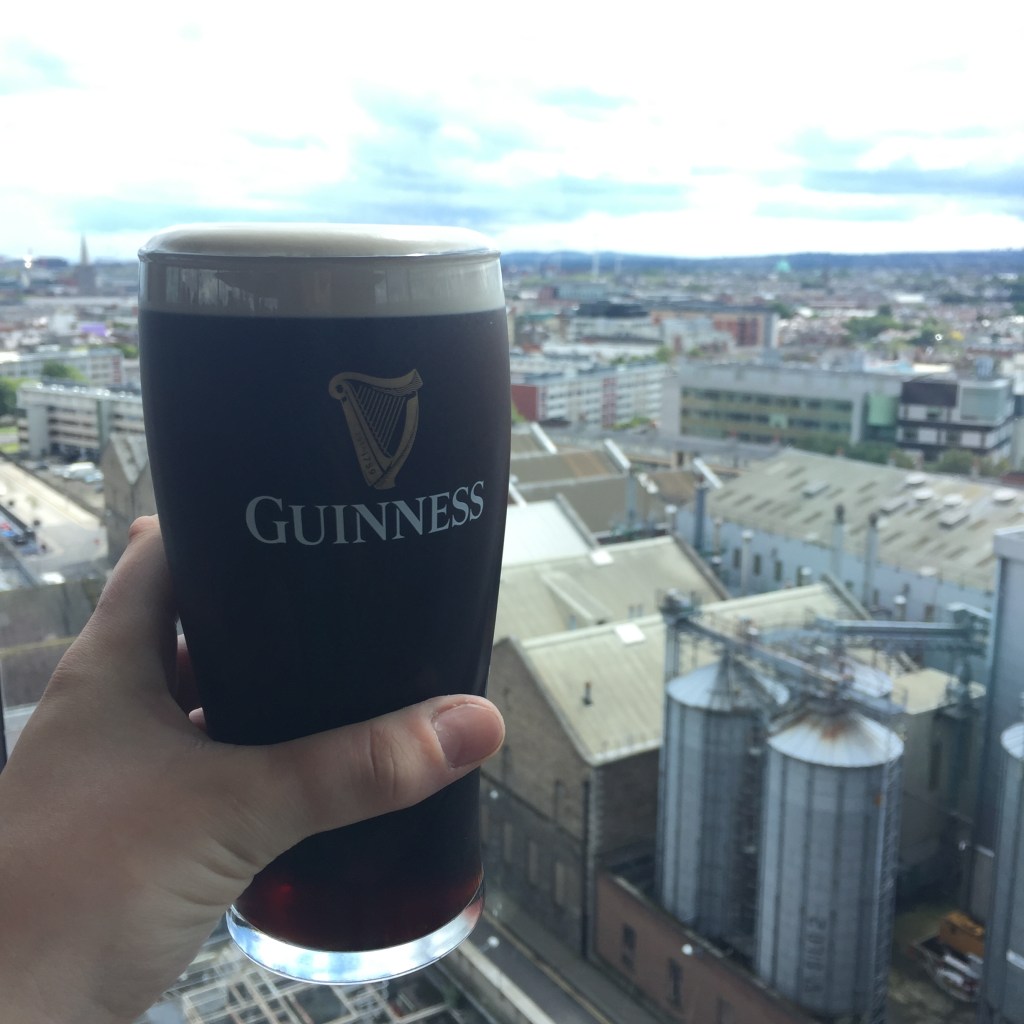
Spot of culture: Tipsy and stuffed? Perfect, you’re ready to hit the town. From Thundercut Alley, head south on Queen St/Bridgefoot St, crossing the River Liffey (note the James Joyce Bridge to your right), then turning right onto Rainsford St (roughly a 15-minute walk). Here you’ll find one of the city’s major tourist draws, the Guinness Storehouse – but before you baulk at another pre-lunch drink, don’t fret: there’s plenty to get through before you’ve earned your pint of the good stuff.
Book your ticket online ahead of time (€15/£13.50), then join the queue outside the main doors on Market St S (it moves quickly). Once inside, you have seven floors to conquer, set around a central glass atrium designed to mimic the shape of a pint glass (of course). The first floors introduces you to water, barley, hops and yeast (the beer’s four ingredients) and its founder, Arthur Guinness, while the rest cover the history of Guinness advertising (want your picture taken with the Guinness toucan? You’re in the right place). Saving the best for last, at the very top you’ll find the Gravity Bar, where floor-to-ceiling windows give an almost 360-degree view over Dublin, and you can finally get your lips around a complimentary pint of black gold (the rumours are true, it really does taste better in Ireland).
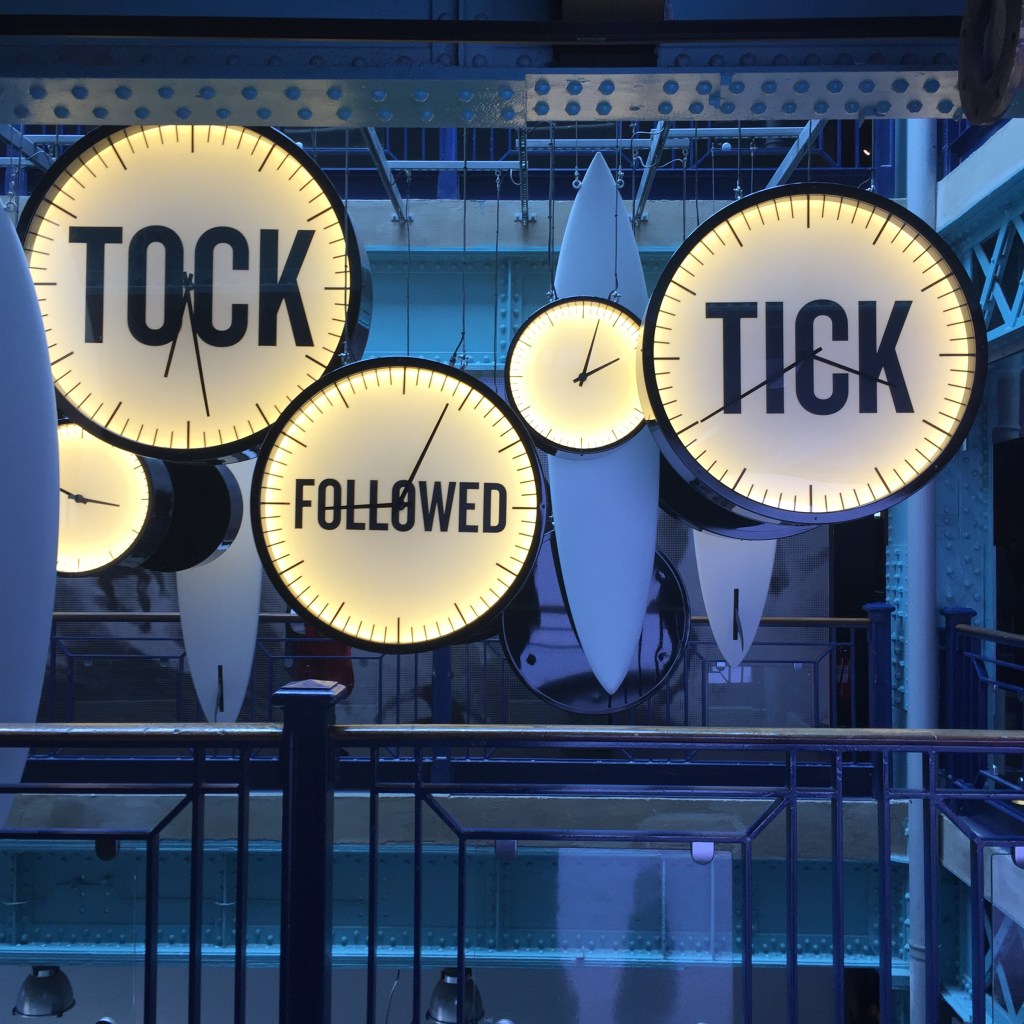
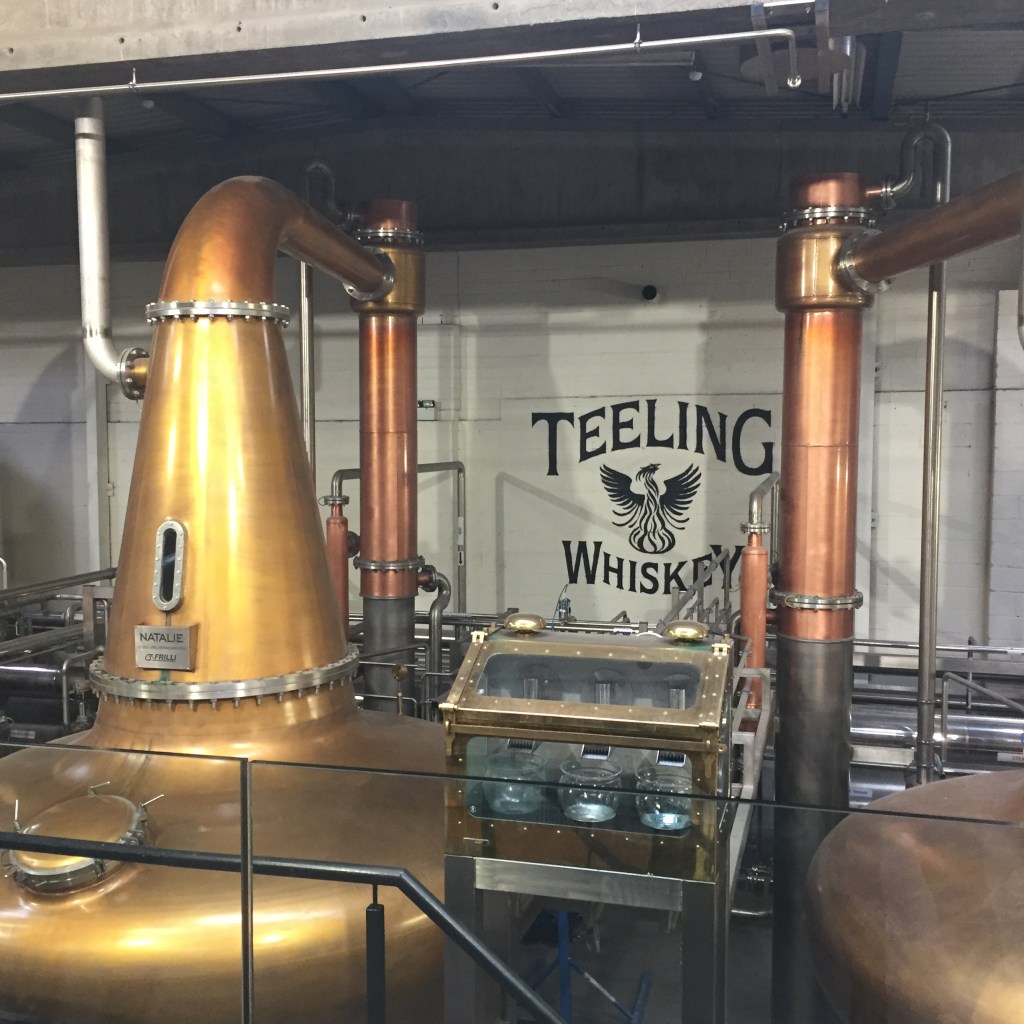
Next up, the Teeling Distillery. Yes, yes, more booze – but hear us out. While most tourists head straight for the Jameson Distillery, we’d suggest giving it a miss in favour of its younger, smaller sister in Dublin’s traditional Liberties neighbourhood (we also prefer the whiskey, but that’s just us). Stroll back to Thomas Court, then take a left onto Pimlico, then another onto Newmarket (ten minutes or so on foot), and you’ll find yourself staring up at a vaguely confusing facade of vertical clapboard and grey snecked stone studded with enormous, aggressively modern portholes. For a mere €17/£15, you can take an in-depth tour – learning about the brand’s history (though the family have long been distillers, Teeling itself was established in 2015, making it Dublin’s first new whiskey distillery in more than 125 years) and the whiskey-making process – followed by a small-batch tasting (which includes a cocktail with a kick).
Lunch
You should be good and giddy by now, so it’s time to line that stomach again. Walk north up Newmarket Hall (the narrow lane opposite the distillery), turn right on St Luke’s Ave, then left onto The Coombe, and you’ll soon see an unassuming corner pub painted a bright raspberry red. Spitalfields is widely considered to serve Dublin’s best pub food – although, with menu highlights like caviar on toast, Flaggy Shore oysters and bone-marrow gravy, its fare certainly isn’t your run-of-the-mill pub grub. If you’ve room for dessert, go with the eye-wateringly excellent hazelnut and chocolate mille-feuille for two.
Spot of culture: Hold tight, because you’re about to tick off a swathe of big-ticket attractions. First up, St Patrick’s Cathedral (a couple of minutes back along The Coombe, then left onto Patrick St), founded in 1191 as the Church of Ireland’s national cathedral. It’s worth the €7.50/£6.75 entrance fee to go in and have a look around, particularly as the organ – one of the largest in Ireland with more than 4,000 pipes – is quite a sight to behold.
Next, walk straight down Kevin St from the cathedral and you’ll soon be at St Stephen’s Green, a well-manicured Victorian park that’s been providing Dubliners with a place to promenade since 1880. If you haven’t time to explore its full 22 acres, follow the path which snakes up its western edge – it’ll take you past statues of Lord Ardilaun (the great-grandson of Arthur Guinness responsible for gifting the park to Dublin) and Robert Emmet (the famed Irish nationalist and orator), a monument to Jeremiah O’Donovan Rossa (a passionate advocate of Irish independence) and, finally, to the Fusiliers’ Arch, dedicated to the Royal Dublin Fusiliers who died in the Second Boer War.
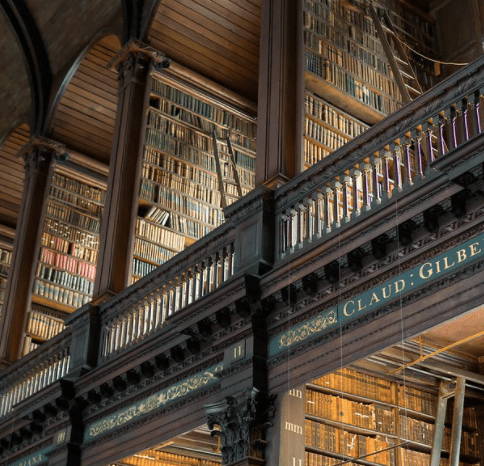
Step through the arch – back out of the park and into the fray – and head up Grafton Street, a long pedestrianised artery considered Dublin’s main shopping thoroughfare. Pass chart-worthy buskers and locals indulging in a little retail therapy, and soon enough you’ll be standing in the hallowed grounds of Ireland’s most prestigious university, Trinity College. There’s plenty to do here, but make sure you take a moment to drink in its glorious Georgian architecture as you amble to the library, where the famed Book of Kells – an exquisitely decorated manuscript containing the four Gospels of the New Testament – lives amongst a whopping 7 million printed volumes.
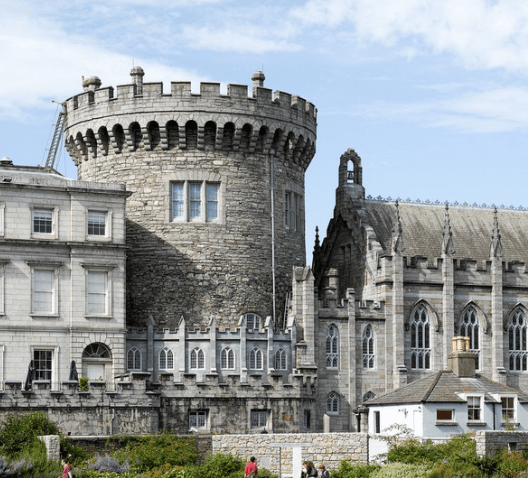
Finally, head east along Dame St (via the statue of Molly Malone, the fictional heroine of the Irish ditty) to the architecturally diverse Dublin Castle. Plenty to do here, too – Dublin Gardens, the Treasury Building, Bedford Tower, the Army Barracks and two museums – but if you’re pressed for time, we’d prioritise the Chapel Royal (those vaulted ceilings!), State Apartments and the Medieval Tower, which was built in the very early 1200s and looks every inch the fairytale fortress.

Dinner
And now, it’s dinner time. Head north back to the river, then over the Grattan Bridge and right along the delightful Liffey Boardwalk, and in a little under ten minutes you’ll arrive at The Winding Stair. Take a few minutes to peruse the quaint little bookshop on the ground floor, then head up the (would you be surprised to hear, winding? No, neither were we) staircase and into the sparse but rather homely restaurant.
The menu is dictated by the availability and freshness of local produce and therefore changes often, but expect the likes of Irish seafood chowder with Fingal Ferguson’s chorizo and treacle bread; Dublin Mountain Smokehouse whipped cods’ roe, Oldtown Farm radish, fried duck egg and trout caviar; and pork belly with jerusalem artichoke, pigs’ head croquette, chorizo jam and a rich gravy. There’s a genuinely excellent wine list, too – and if you stop drinking now you’ll only get sleepy.
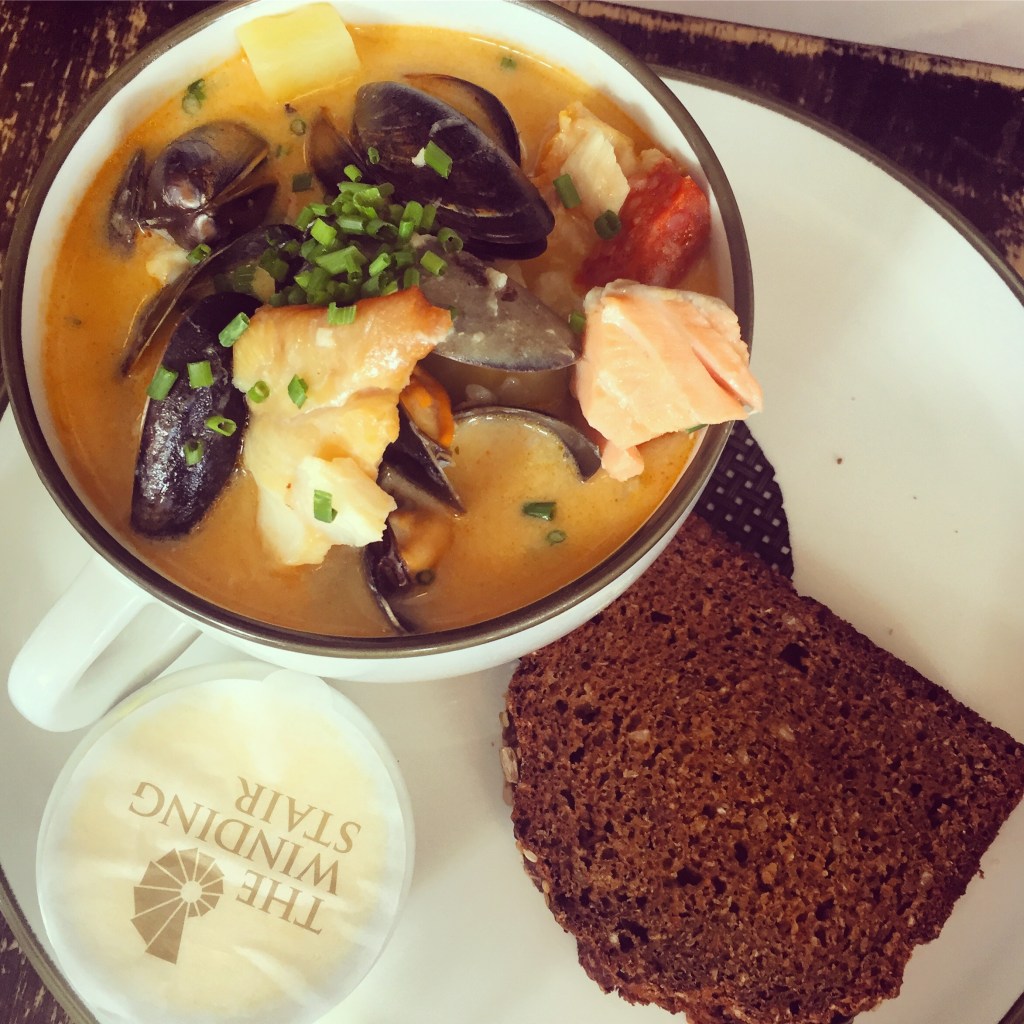
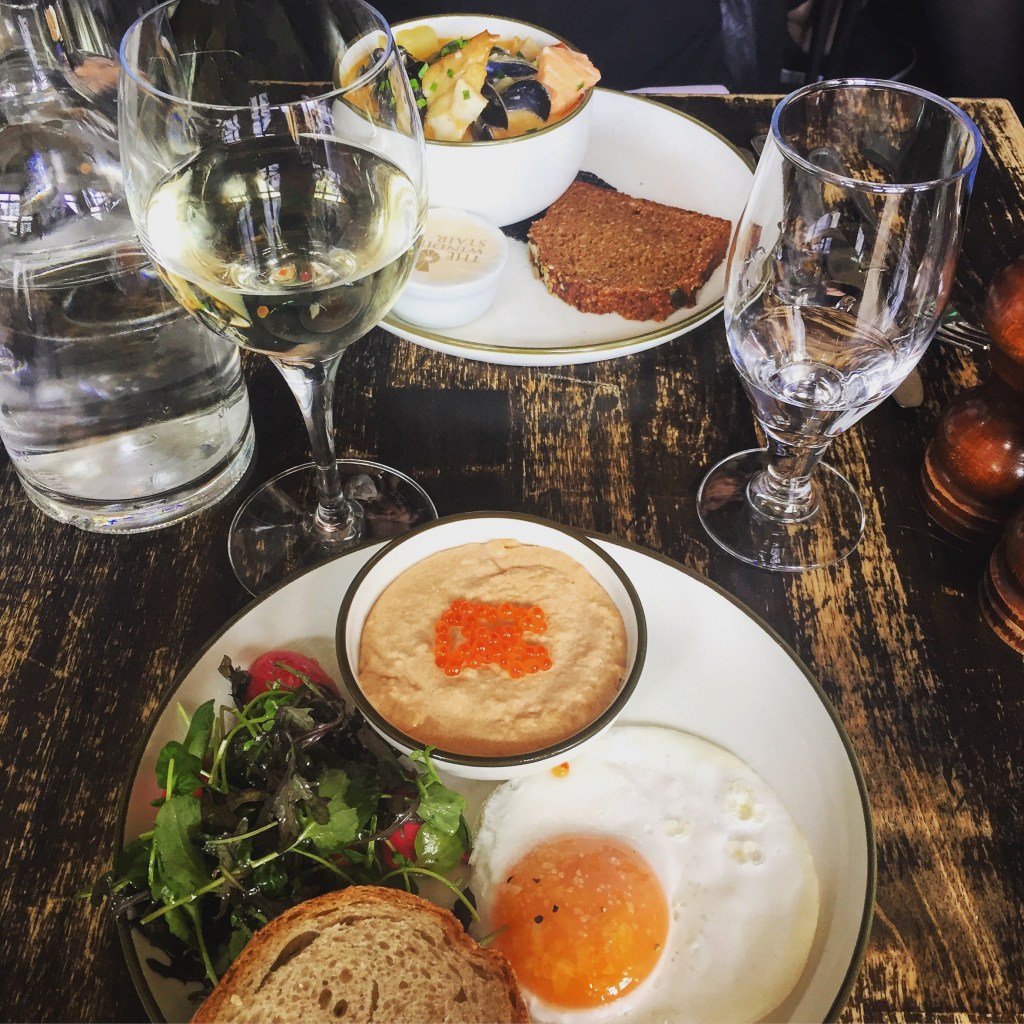
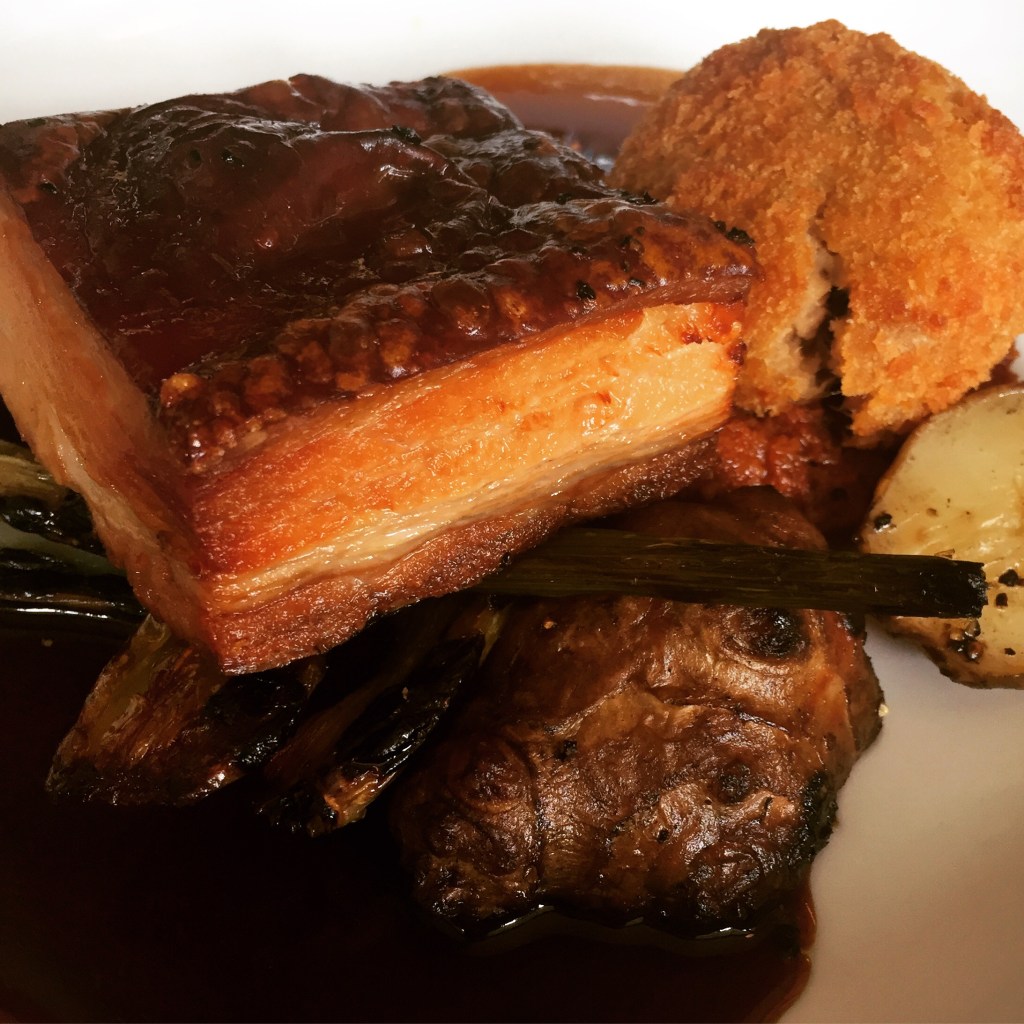
Spot of culture: The Winding Stair is not only an excellent eatery – it’s also helpfully placed right next to Ha’penny Bridge, ideal if you’re keen to follow dinner with a bit o’ whimsy. Built in 1816, its official name – the Liffey Bridge – is perpetually waived in favour of a moniker inspired by the toll Dublin residents were once charged to cross it. By all means admire the love locks clamped to its ornate ironwork, but – as the City Council aren’t real fond of them – best not to add your own.
Up for a jot more whimsy? Oh go on then. Head back from whence you came along the Boardwalk, and take a left onto Swifts Row. Cross the tram tracks, and on your left, voila: the National Leprechaun Museum of Ireland. The entrance fee is on the steep side (€16/£14.40), but your ticket includes a 45-minute guided tour, taking in a crash course in Leprechaun folklore, a comprehensive history of their depiction in popular culture, an optical illusion tunnel, a replica of the Giant’s Causeway and a room filled with unusually large furniture (because then you feel small and – you get the idea). It’s as weird as it is wonderful, and well worth an hour of your time.
Drinks
Right, now to get down to some proper drinking – the chatting-to-strangers-in-the-bathroom, gosh-that-went-right-to-my-head, ooh-aren’t-those-lights-pretty kind. From the Leprechaun Museum, head west along Abbey Street Upper, turn right at Arran Street East and stop when you see a jutting rounded corner with a skirt of smart black panelling. This is Bar 1661, an independent newcomer (it opened in 2019) dedicated to spearheading a poitìn renaissance. This much-maligned Irish spirit was banned throughout the country from 1661 (hence the name) until March 1997, and though its pungent, grainy flavour is something of an acquired taste, this is certainly the place to make its acquaintance. Pull up a seat at the bar and one of the spectacularly amiable bartenders will be happy to give you a whistle-stop masterclass in poitìn while you taste a few different brands and scarf down a cheeseboard or a platter of salt beef sliders.
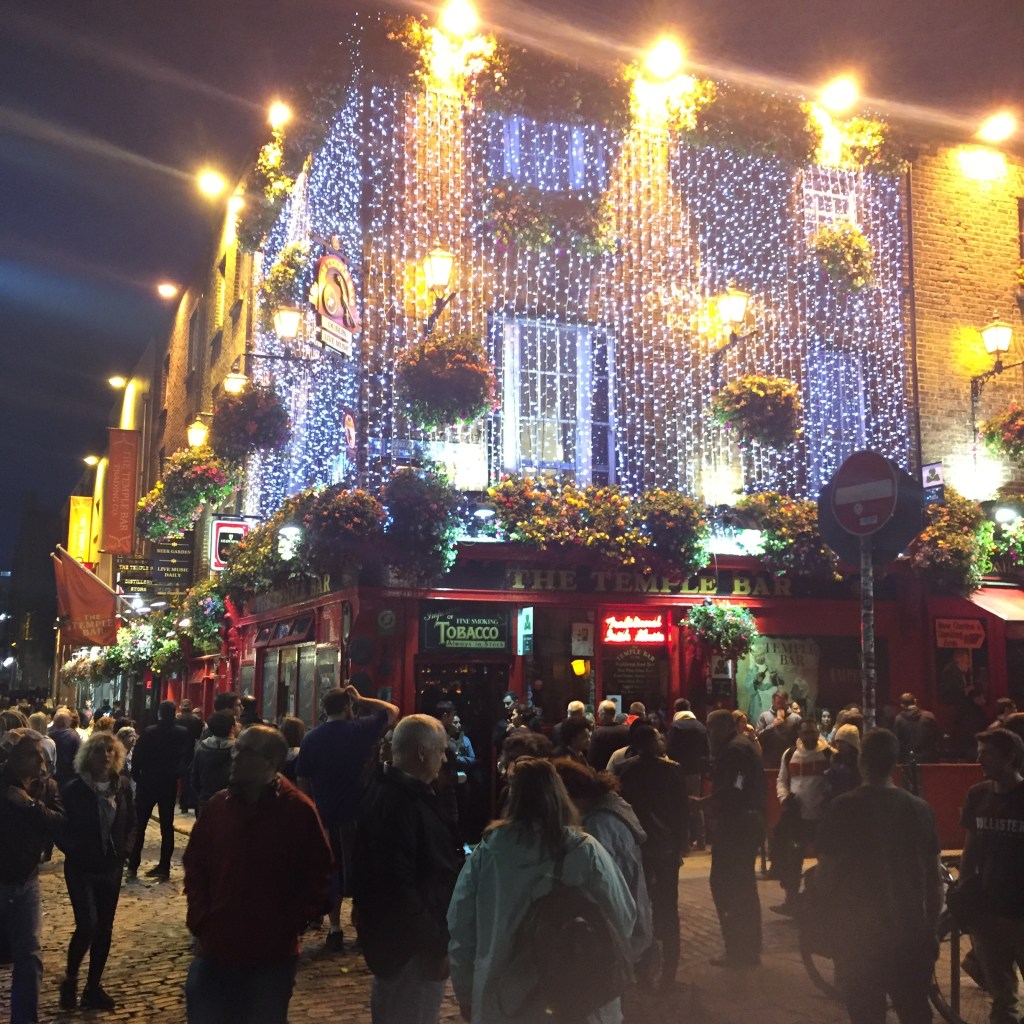
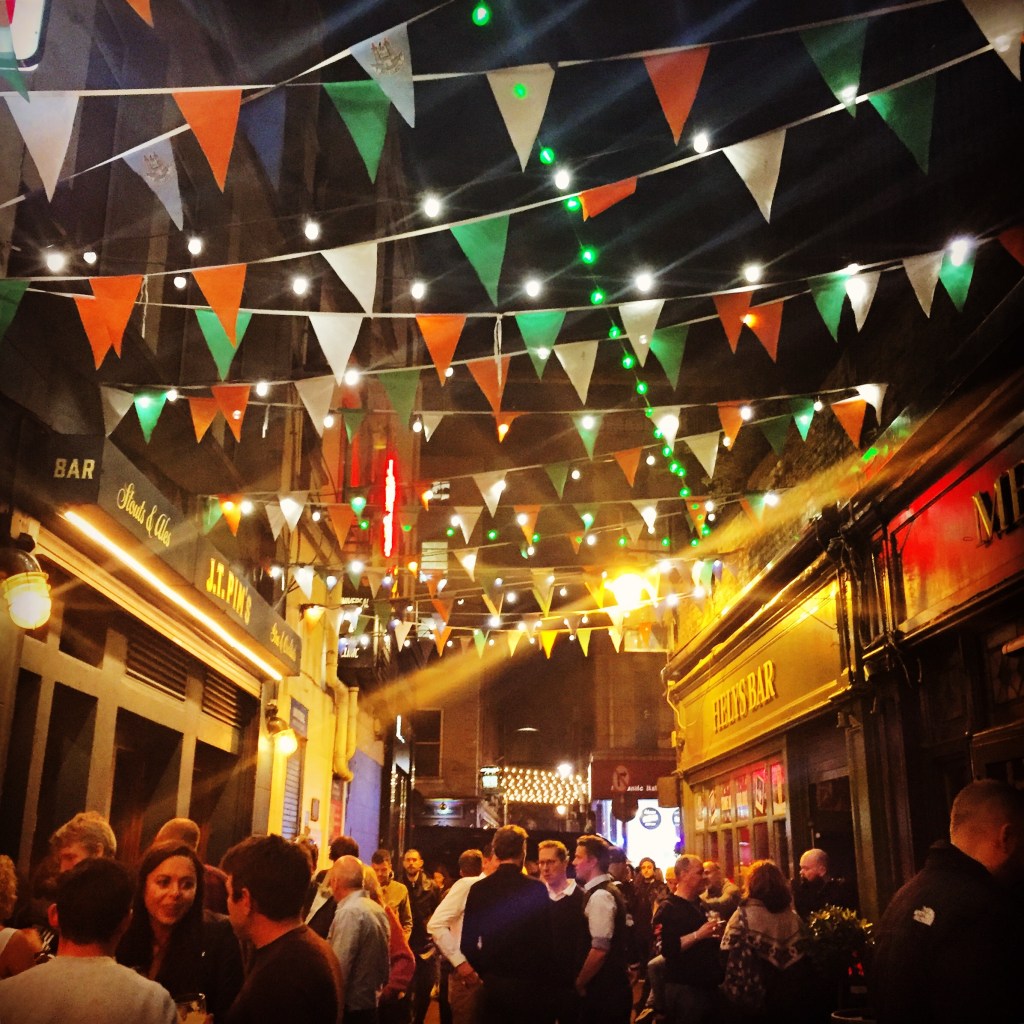
And now? Head back to the river and across the Millennium Bridge: it’s time to surrender to the dark, swarming alleys of Temple Bar, to sink into its throngs slopping suds over the rims of raised pint glasses, packed into warm basements where raucous fiddling rumbles through heaving floorboards. Unless you’re especially wedded to them, avoid the tourist favourites (The Temple Bar in particular, but also the Brazen Head, Palace Bar and Norseman) and follow your ears (and instinct) instead. A good rule of thumb is to meander down the narrower lanes until a particularly fervent burst of violin and bodhrán draws you in, then order a pint and go with the flow (The Stags Head on Dame Court is by no means the only option, but usually a safe bet).

 Glug & Chew