Whether you know it as Pearl of the Orient, Asia’s Hollywood or the Riviera of the East, Hong Kong is without a doubt the ultimate hybrid, an intoxicating limbo where East meets West and where even a short visit can be a truly scintillating experience. It is, of course, also a jungle – an endless maze of people and neon squeezed between the steel roots of an ever-growing cityscape, making it a potential navigation nightmare if you’re on a tight timeframe. Luckily, with a little help and a dash of know-how, discovering the best that Hong Kong has to offer – both on and off the beaten track – can be a piece of cake.
Day one
Now, this might sound crazy, but hear us out: don’t book your accommodation ahead of time. Hotels, guesthouses and hostels abound in Hong Kong, but to really get under the skin of this mercurial metropolis, you’ll need to slum it. Summon your inner backpacker, and head for the infamous Chung King Mansions or its neighbour, Mirador Mansions, in downtown Kowloon (Tsim Sha Tsui).
These housing estate-style buildings take up roughly a block each and, at 17-storeys high, have been a familiar sight on Nathan Road (the Oxford Street of Kowloon) since the early 1960s, notorious for drugs, muggings, prostitution, immigrant communities and sub-standard living conditions. But panic not – their once daunting international reputation no longer applies (a huge renovation project in 1999 ensured higher safety standards, CCTV cameras and an army of security guards and cleaners). Now, you can quite safely stay in one of the buildings’ hundreds of privately owned mini-hotels (tiny spaces with a central corridor and several well-maintained, minute rooms) for around HK$200 (£20) a night (lower, if you’re a good haggler) – not bad when you have central Hong Kong on your doorstep.

Next, since nothing works up an appetite like a good bit of bargaining, you’ll probably be ready for an introduction to Cantonese cuisine. Save the more exotic and well-known dishes for dinnertime (think bird’s nest soup, frog’s legs and sweet and sour pork) and use lunch as an excuse to explore the real Hong Kong and its everyday grub. Aim for super-cheap, family owned, just-this-side-of-hygienic noodle bars, which can be difficult to find in the pricier downtown areas but a wonderful challenge nonetheless. Get lost in the narrow shop-lined streets branching off Nathan Road until you find the ideal place (toothless elderly cooks, plastic seating and large steaming vats are usually a good sign), then dig into a well-deserved chow mein, won ton soup, little pan rice or a plate of perfect spring rolls.
Spend the afternoon getting your bearings. It’s all too easy to forget that taking time to just absorb the city and get to grips with its pavements is just as important as dashing to and from its must-see attractions, so spend a few hours being jostled by Hong Kong’s throngs of pedestrians, offered fake Rolexes and munching fantastic street food before indulging in one of the city’s most famous regional pastimes: shopping.
Hong Kong has always been a world-renowned shopping hotspot, and for good reason – although it’s smart to opt for genuine designer bargains (like those available at Citygate Outlets) rather than being seduced by cheap knock-offs. The streets on both sides of the harbour are chock full of shops and underground plazas but, if you’re after the latest American Eagle hoodie or Gucci heels, the giant luxury shopping malls (such as Harbour City at Ocean Terminal) are your best bet – and, in their own right, really quite a sight to behold. And let’s not forget the markets. If you have a talent for bargaining and don’t mind a bit of bustle, Temple Street Night Market and Stanley Market are great places to pick up cheap souvenirs and a nice way to see the more traditional and historic parts of the city. Plus, you’ll find row upon row of stalls dishing out some of the city’s best street food.
As night falls, make time for the Symphony of Lights. This genuinely bizarre but mind-boggling spectacle involves some 40-odd skyscrapers amongst Hong Kong’s crowded skyline beaming coloured lasers and searchlights into the night sky, synchronised with music and narration blasted from huge speakers at popular viewing points along the harbour, turning the city itself into a colossal stage. The show begins at 8pm and is difficult to do justice in words – rest assured, you’ll be left awed by the sheer magnitude of it at the very least.

One of the best things about Hong Kong, particularly if you’re in the midst of a lengthy trip, is the sudden banquet of world cuisine it lays at your feet. The streets of Kowloon and Central are both teeming with restaurants of every kind and to suit every budget, so when dinnertime comes it’s well worth wandering around until you find exactly what you’re after. There are large Indian, Middle Eastern and African communities in Hong Kong, particularly in the Nathan Road area, so it’s especially fun to follow one of the many menu-proffering touts up to otherwise hidden second-floor restaurants, little oases of far-flung homelands that feel like slices of Mumbai and Marrakesh.
Day two
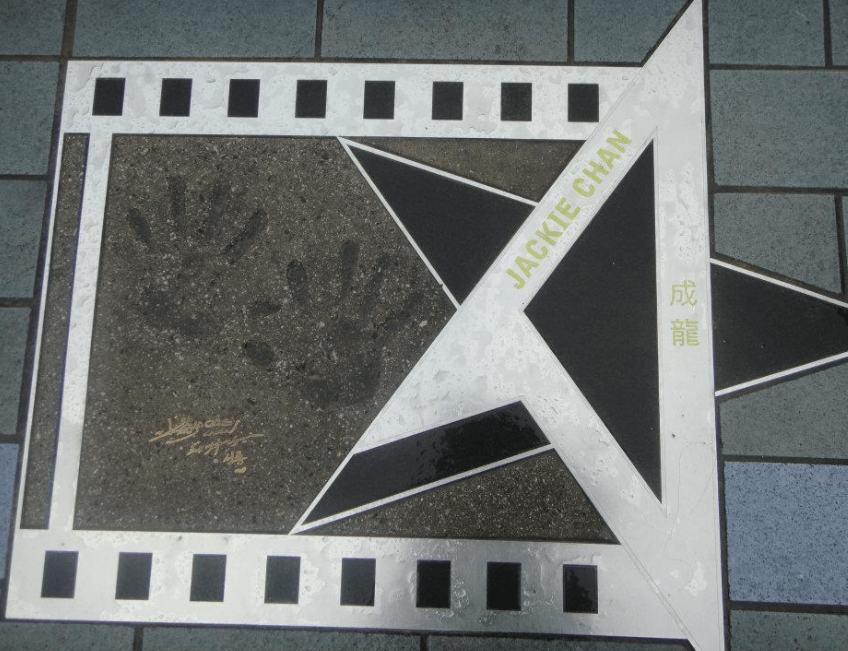
Begin your day with a stroll along the Avenue of Stars, Hong Kong’s answer to Hollywood’s Walk of Fame. The Avenue stretches 440 metres along the Victoria Harbour waterfront, so – once you’ve had your picture with Bruce Lee’s statue and Jackie Chan’s star (there are over one hundred in all, so if your knowledge of Hong Kong film stars is up to scratch you’ll be in your element) – you can jump on the world famous Star Ferry at the Tsim Sha Tsui Ferry Pier and head across the harbour to Hong Kong Island.
The Star Ferry is not only a historic and budget-friendly alternative to a cruise tour of Victoria Harbour, but also a lovely way to step back in time as you relax on its antique passenger deck, surrounded by wood-panel windows framing perfect views of the ancient waterway and its busy banks. The ferry is technically a commuter vessel (though it now carries a mix of tourists, expats and locals) so a one-way ticket will cost you a mere HK$2.70 (27p). Just be sure to avoid rush hour, since the magic of seafaring time travel is somewhat lessened when you’re sandwiched between foreign businessmen and elderly shoppers.
Once you reach the Island, there is one place which deserves your attention before any other. The Peak (officially known as Victoria Peak) is the towering mass of rock which provides Hong Kong Island’s jagged silver skyline with its dramatic backdrop. For HK$52 (£5.20) you can take the 132-year-old Peak Tram to the top and back down again which, despite being jam-packed with loud, snap-happy tourists from the mainland, is extraordinary for its incredible mechanics and views over the city. When you reach the top, spend the afternoon following the 3km nature walk which encircles the wooded tip of the mountain, and relish the freedom of gazing down on the buzzing metropolis while hovering a cool 500 metres above it.
As evening rolls around, pop into the Peak Tower, a leisure complex where you can pick up souvenirs and gloriously tacky Peak merchandise before choosing between its four signature restaurants for dinner. These places may be the antithesis of authentic Hong Kong dining (although the food itself is pretty impressive), but you’d be hard pressed to find a better view – particularly in good weather, when a table on one of the terraces will afford you a view of Hong Kong harbour at sunset while you dine.
Day three
You have the option of devoting a day to Hong Kong’s neighbour, the formerly Portuguese-owned Macau (TurboJet ferries leave every 15 minutes and take approximately an hour), but if you’d rather stay closer to home and find yourself starting to crave another escape from the city, there’s no better way to round off your stay than with a little ancient Chinese culture on Lantau Island.
The island is a short ferry or metro ride from Hong Kong’s downtown and home to the Tian Tan Buddha – at 34 metres high, one of China’s famous five large Buddha statues – and the Po Lin Monastery, a beautiful example of Buddhist architecture. Despite the crowds, this can be a great way to escape the bustle and heat of the city and an excuse to indulge in a bit of retail therapy at the Ngong Ping Village, although the highlight is the Ngong Ping 360 cable car (HK$235 round trip – £23.50), a 5.7km ride which gives you spectacular views of the Tian Tan Buddha and monastery from above (if ever there were a time to take pictures, this is it).
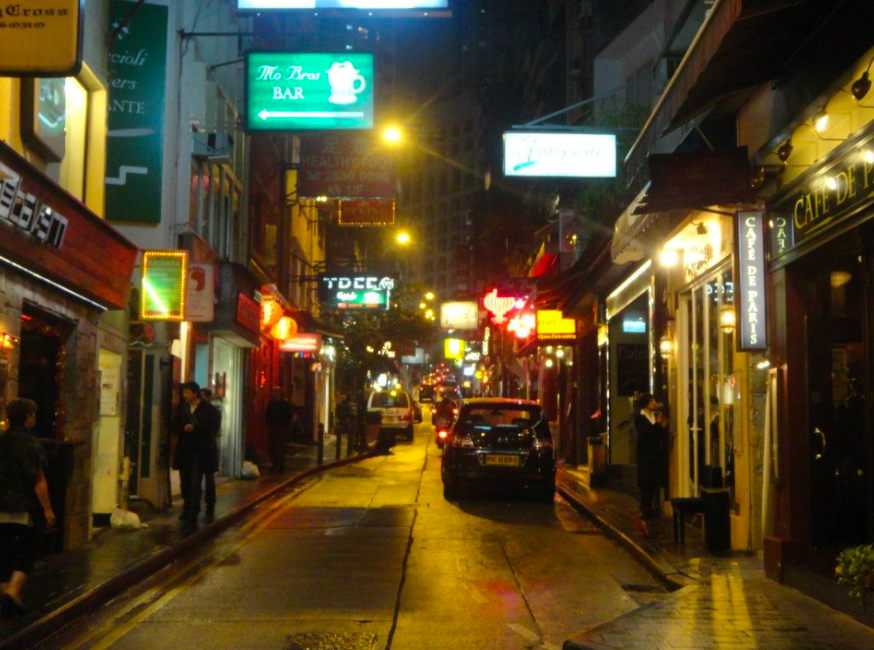
Spend your final night in Hong Kong’s Soho district, nestled around the Mid-Levels within Central. Try to imagine, if you can, Chinatown meets London’s West End: an eclectic mix of international fare, wine bars, boutiques, galleries and clubs, all squeezed into narrow horizontal streets served by the Central-Mid-Levels escalator, an amazing feat of engineering which stretches 800 metres uphill and carries endless crowds into the city’s upper echelons daily. The area sits just above the Island’s business district, combining elements of traditional Chinese culture with international modernity and, by twilight, is utterly electric with atmosphere, colour, the clinking of wine glasses and the tantalising smell of world cuisine. If Hong Kong hasn’t seduced you so far, an evening spent in these surroundings should certainly do the trick – and if you’ve already fallen head over heels, what better place to muse over its charms with a cool glass of wine and some good old fashioned dim sum?
 Glug & Chew